
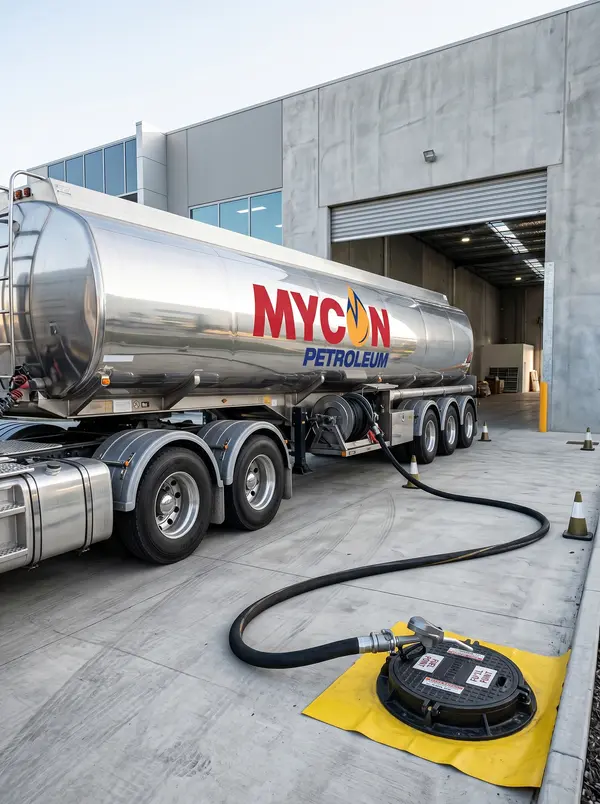
For transport and logistics companies operating in Pakistan, diesel fuel typically accounts for 35–45% of total operating costs. With fuel prices subject to global market volatility, finding sustainable ways to reduce diesel consumption and procurement costs is a strategic imperative — not just a cost-cutting exercise.
1. Negotiate Bulk Supply Contracts
The most immediate way to reduce per-liter fuel costs is to move away from retail station purchasing and enter into a structured bulk diesel supply agreement. Bulk procurement from refinery-linked suppliers like E2E Petroleum Services guarantees stable pricing, volume discounts, and certified fuel quality. Learn how our Bulk Fuel Supply contracts work for large logistics fleets.
2. Implement Telematics & Route Optimization
Idle time is one of the biggest hidden fuel drains for fleet operators. Vehicles sitting in traffic or idling at loading bays consume diesel without covering any distance. Modern fleet telematics systems track real-time vehicle location, engine idling time, and route efficiency — allowing dispatchers to optimize routes and reduce unnecessary fuel consumption by up to 15%.
3. Switch to Doorstep Fueling to Eliminate Detours
Every time a driver takes a vehicle to a retail fuel station, it represents lost working hours and additional kilometers. For large fleets, these detours add up to significant wasted diesel and driver time. By switching to scheduled Doorstep Diesel Delivery, vehicles are fueled at your depot or job site — eliminating detour distance entirely and keeping drivers on revenue-generating routes.
4. Use Corporate Fuel Cards for Accountability
Untracked cash disbursements for fuel are a major source of cost leakage. Drivers filling up with company cash at retail stations have limited accountability. By transitioning to Partnered Corporate Fuel Cards — accepted on E2E's mobile delivery units — every liter dispensed is digitally logged against the vehicle's account, creating a fully auditable consumption trail and eliminating unauthorized top-ups.
5. Schedule Preventive Vehicle Maintenance
A poorly maintained engine can consume up to 20% more fuel than a well-serviced one. Simple maintenance tasks — replacing air filters, checking tire pressure, servicing fuel injectors, and using the correct engine oil — have a direct and measurable impact on diesel consumption. Build a preventive maintenance calendar aligned with your scheduled fuel delivery program to keep your fleet running at peak efficiency.
Putting It All Together
The most successful fleet operators in Pakistan combine all five strategies into an integrated fuel management program. Start by contacting our commercial team for a customized bulk diesel supply proposal tailored to your fleet size and operational geography.